After a leak
The immediate question is where water enters and what has been affected along its path. Say if water is entering now so protection can be considered as well as the permanent repair.
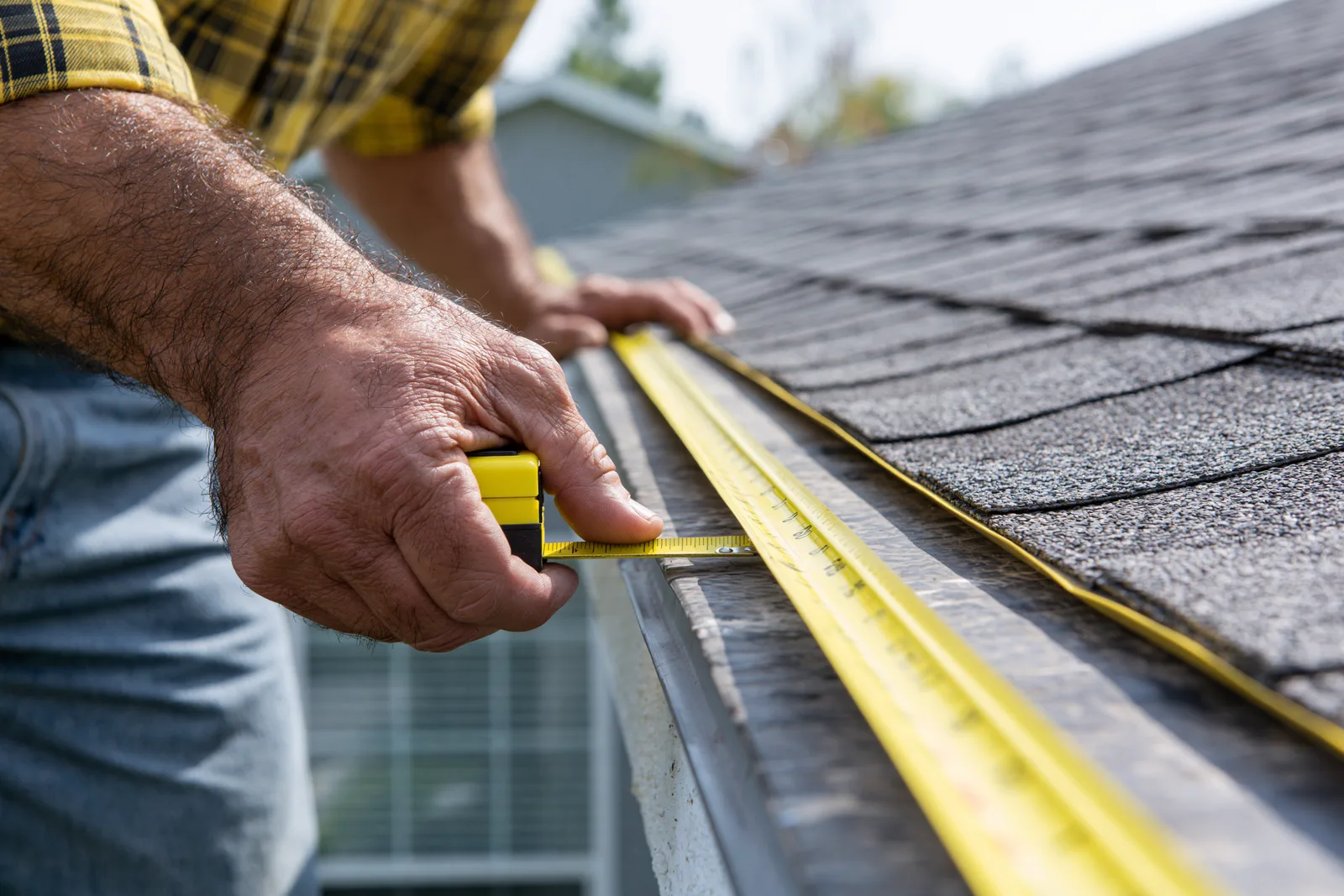
A free roof walk can turn a leak, storm concern or replacement question into a clearer decision about the actual roof.
You can see a stain indoors without knowing how water entered. You can also have a roof that looks worn from the ground and still has useful covering left. An inspection connects the concern to the roof’s present condition.
We look at the affected detail and the material around it, then explain whether the useful next step is repair, replacement, further investigation or simply keeping a sound roof in service. The free inspection includes a roof walk when the roof and conditions allow safe access.
Tell us what you have noticed and where it happened. You do not need to climb up, identify the material failure or know the roof’s installation date before asking for help.
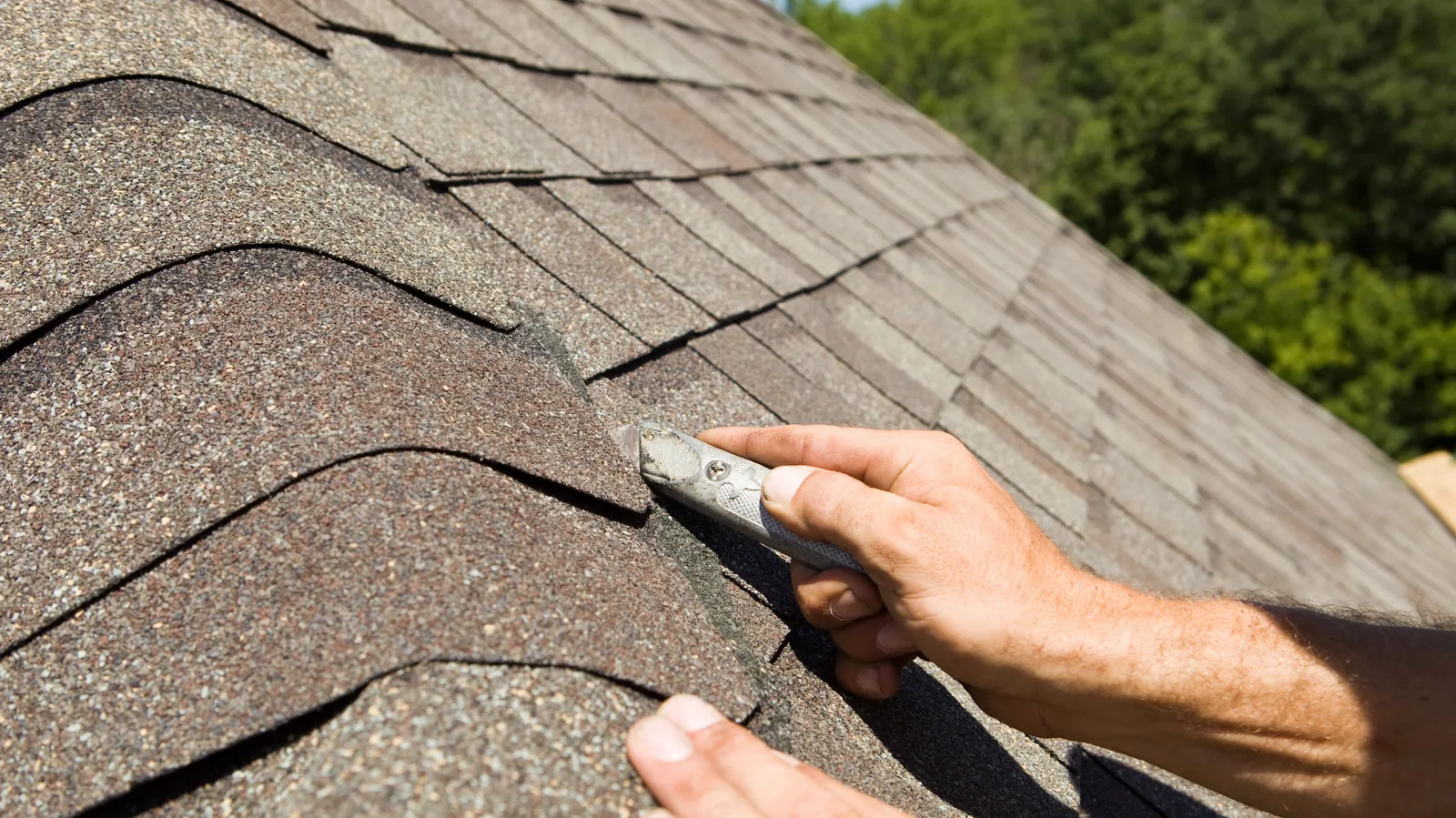
Missing tabs, lifted courses and broken shingles create different repair needs from general surface wear. The inspection looks at the covering, its fastening and whether adjoining shingles can be lifted without breaking.
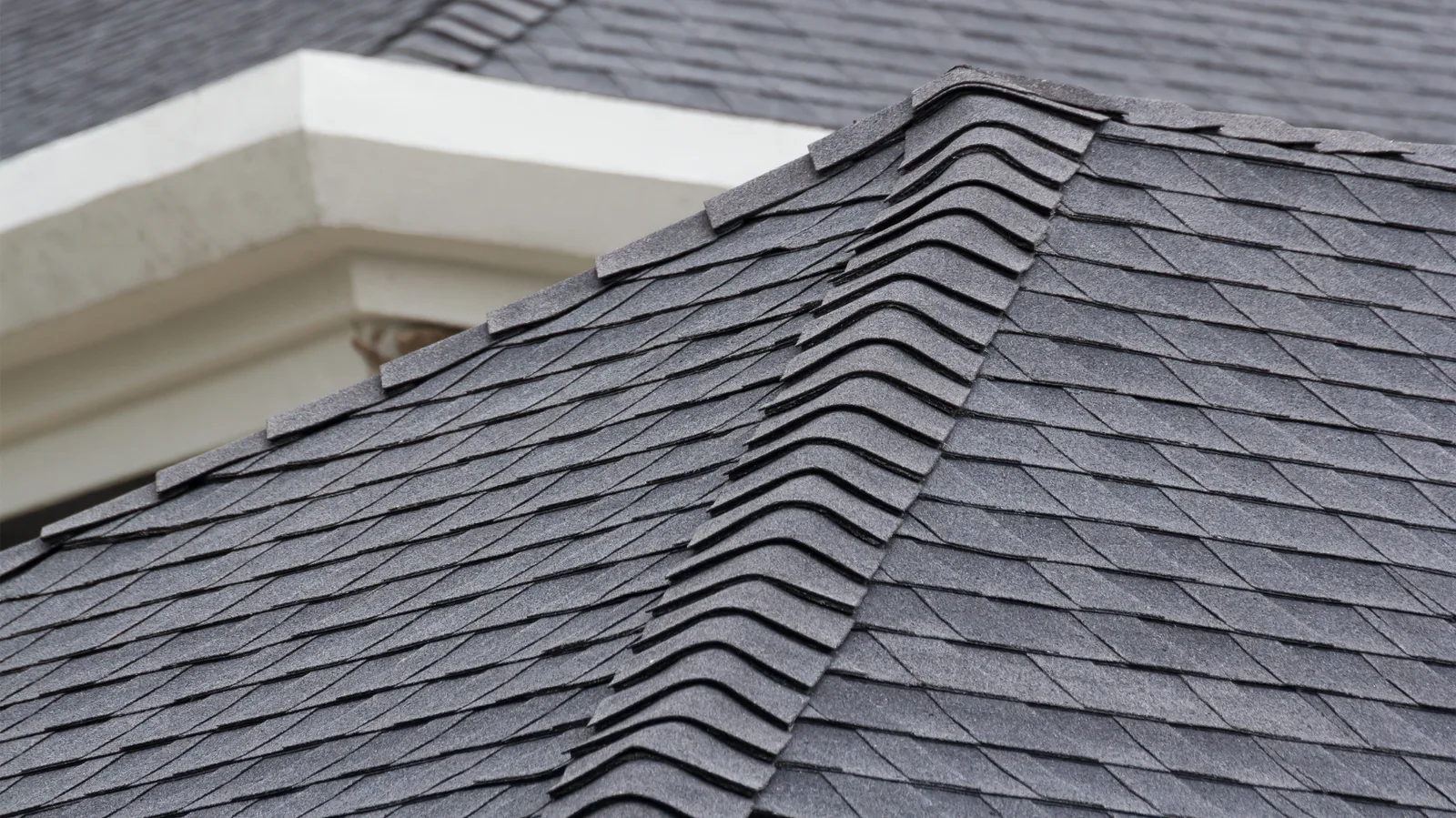
At ridges and eaves, caps, starter and edge details have to direct water outward and hold the covering in place. A problem at one edge does not establish that every slope has failed.
Understand repair choices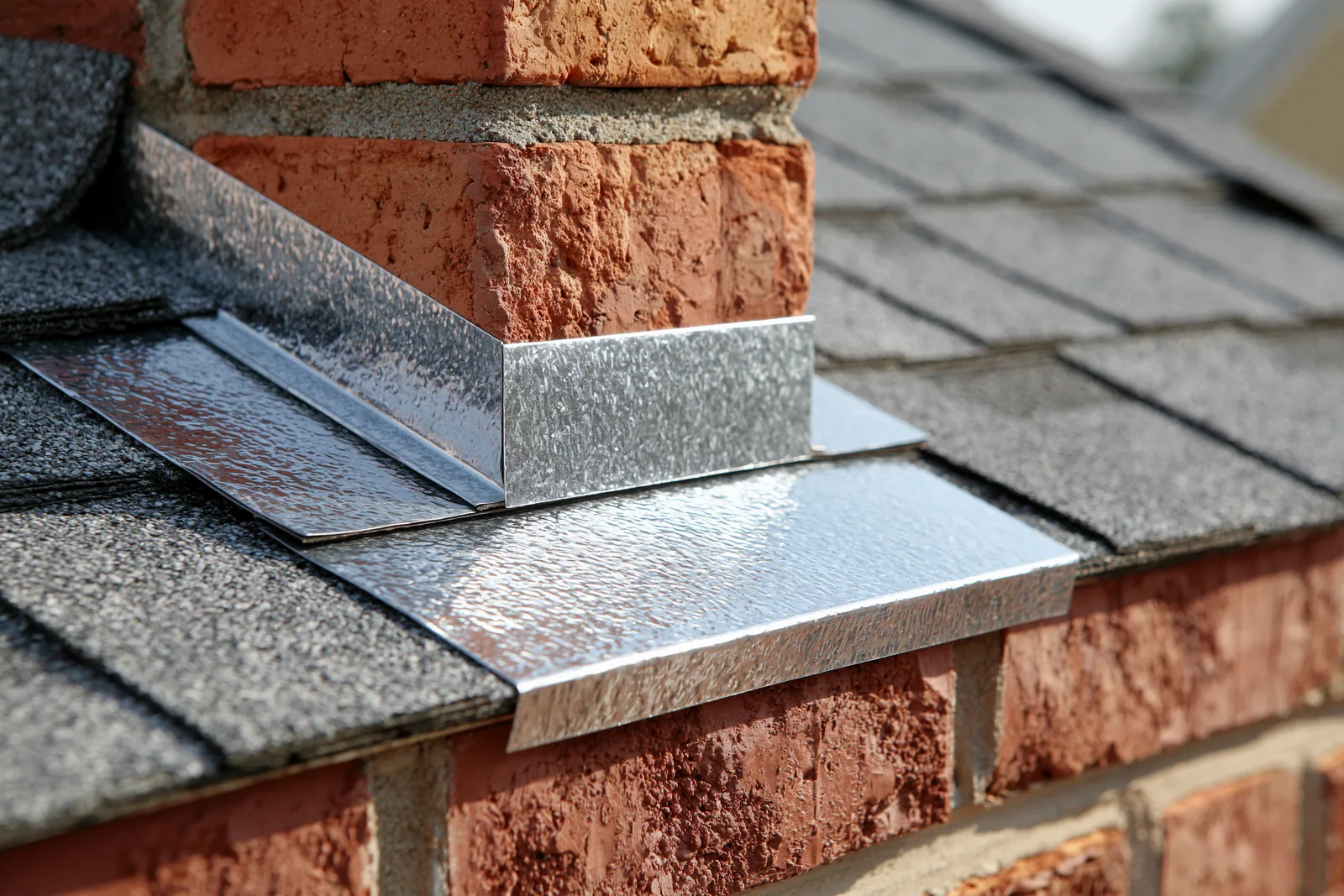
A vent boot has to seal around the pipe while its base connects to the surrounding roofing. Wall and chimney flashing need overlapping pieces that carry water back onto the roof, including the connection behind the visible surface.
A ceiling stain may be downhill from the opening. Tracing that path is more useful than assuming the roofing directly above the stain is the only place to inspect.
Read about roof joints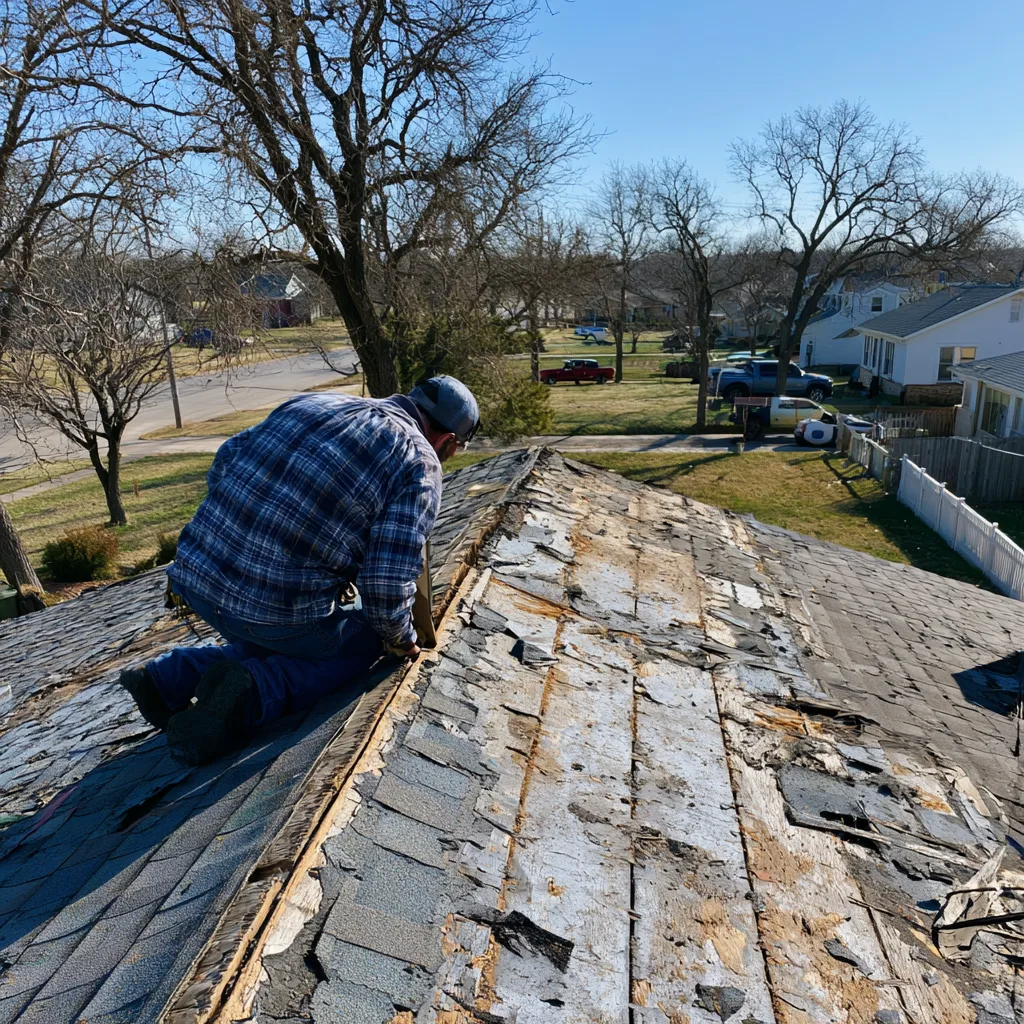
Debris, gutter backup, roof valleys and low-slope sections change where water collects. Visible wood deterioration or signs below the roof can show that the concern extends beyond the surface.
Some conditions stay concealed until material is opened. If safe access or hidden layers limit the first inspection, the next investigation should be explained before treating a guess as a finished scope.
When broader work is usefulThe immediate question is where water enters and what has been affected along its path. Say if water is entering now so protection can be considered as well as the permanent repair.
The inspection checks actual roofing conditions. Nearby reports can provide event context, but ordinary wear, older repairs and the roof’s history still matter when discussing what caused a change.
A roof condition conversation can help explain likely work. A lender, insurer or transaction may require a particular report or certification; mention those requirements when arranging the inspection.
The inspection should make your choices more concrete. It should not turn every observation into a replacement recommendation.
Identify what is sound, what has failed and what could not yet be assessed. A roof with no useful repair need should be described that way.
Where work is needed, explain what has to be lifted or opened, how it connects to sound roofing and whether hidden damage could change the scope.
A limited repair, a larger section of work and a full replacement solve different conditions. The explanation should connect each option to what was found, including what it would leave unchanged.
Yes. Free roof inspections and roof walks are available. You can request one for a leak, a change after weather or a roof decision you are planning.
Yes, when safe access and the roof’s condition permit. Wet, unstable or otherwise unsafe roofing can limit access; that limitation should be explained along with a useful way to continue the assessment.
Not by itself. An inspection can identify physical conditions, while storm reports and the property’s history provide separate context. Event timing and insurance coverage cannot be established from a roof walk alone.
No. An approximate age or prior repair history can help if you already know it, but you can request an inspection without that information. The present condition is the starting point.
Tell us the roofing question you want answered. A free inspection can help put the next decision in terms of your home.