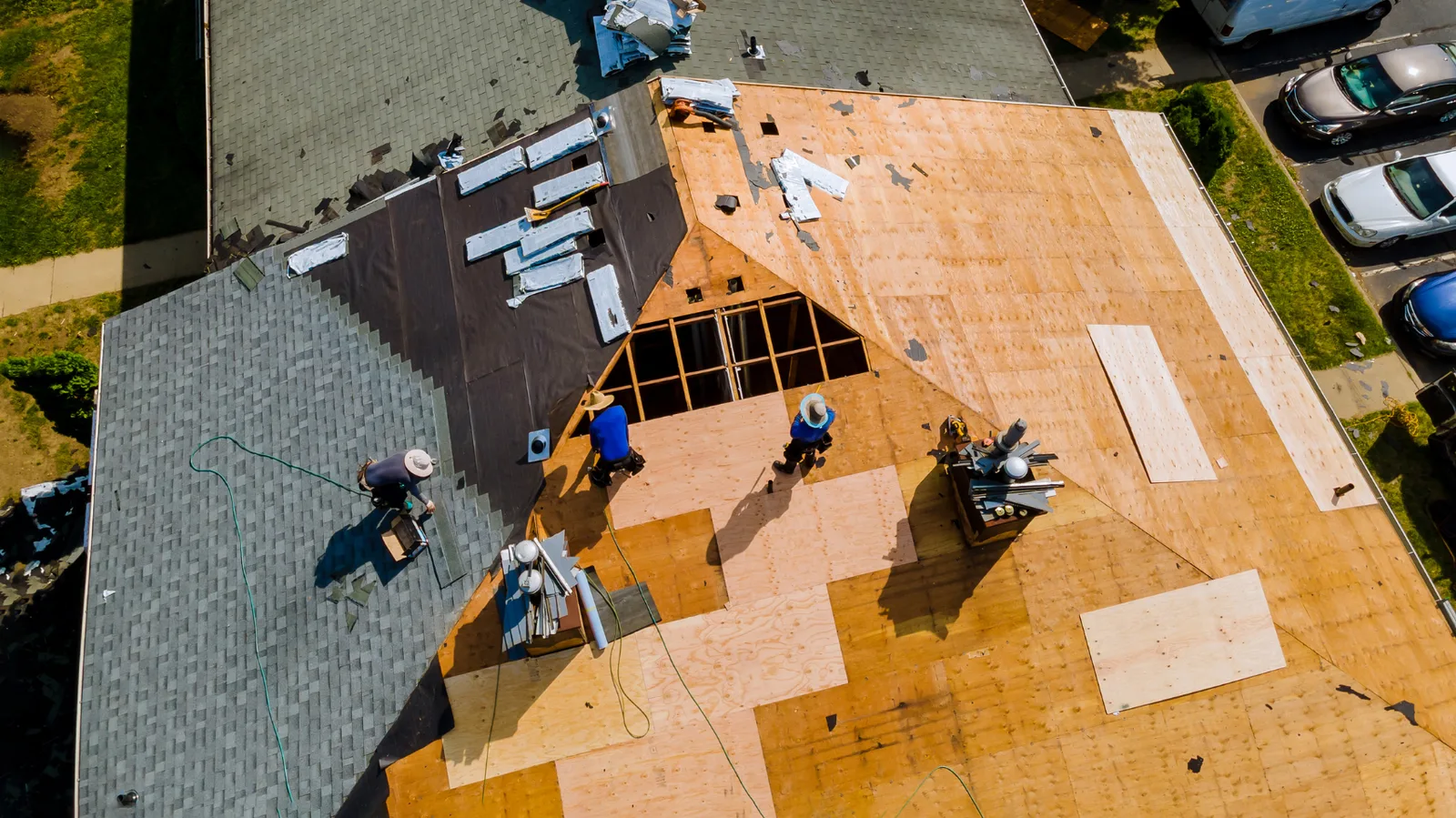
Roof replacement
A new covering with the deck, underlayment, edges and roof openings in the scope.
Explore roof replacement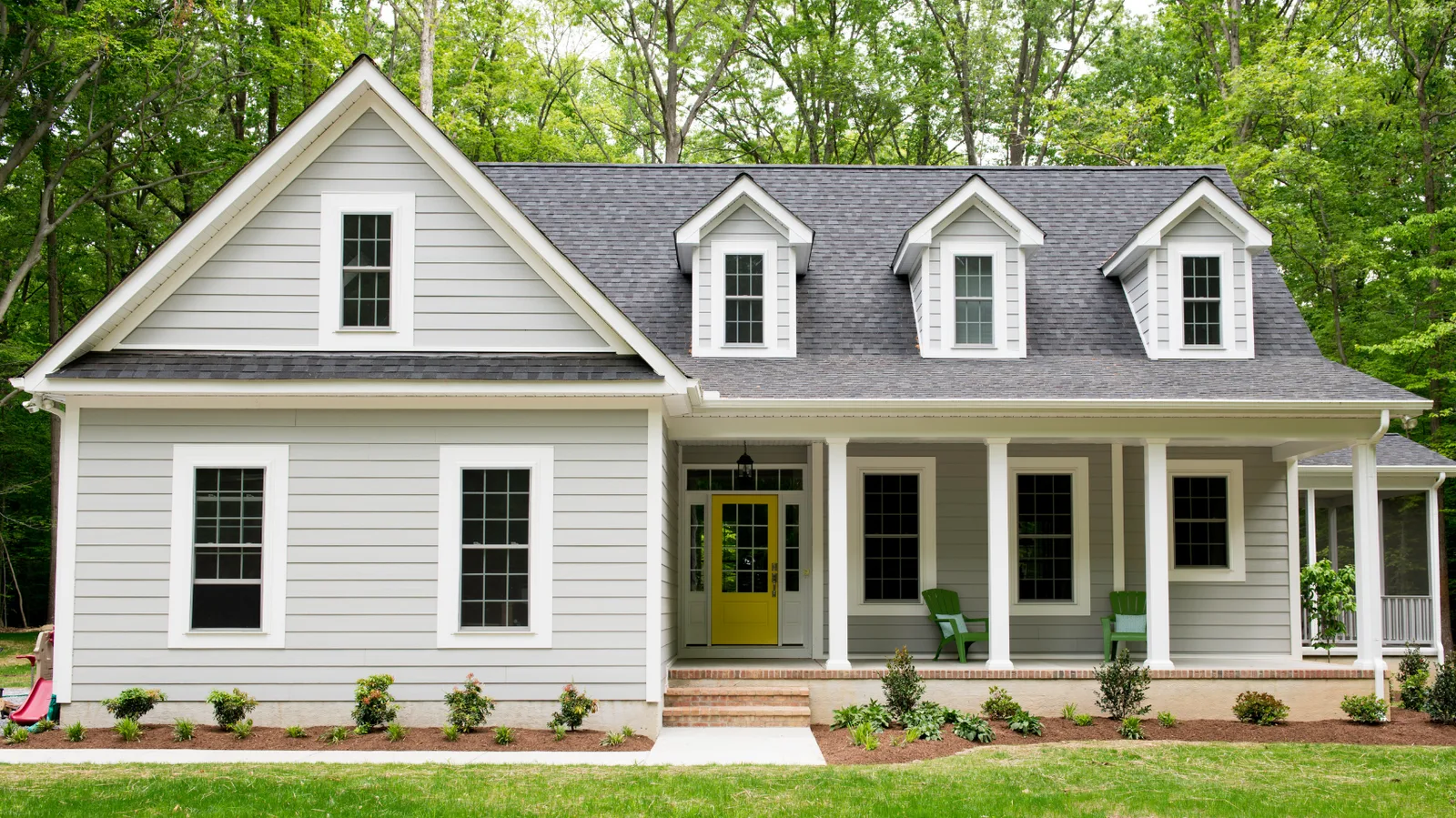
Roof repairs, replacement and inspections for Verdigris homes, with separate help for commercial roof systems. Start with the change you’ve noticed.
Each service starts with the roof in front of us. Use these pages to understand the work, or request a free inspection when you’re deciding.
A new covering with the deck, underlayment, edges and roof openings in the scope.
Explore roof replacement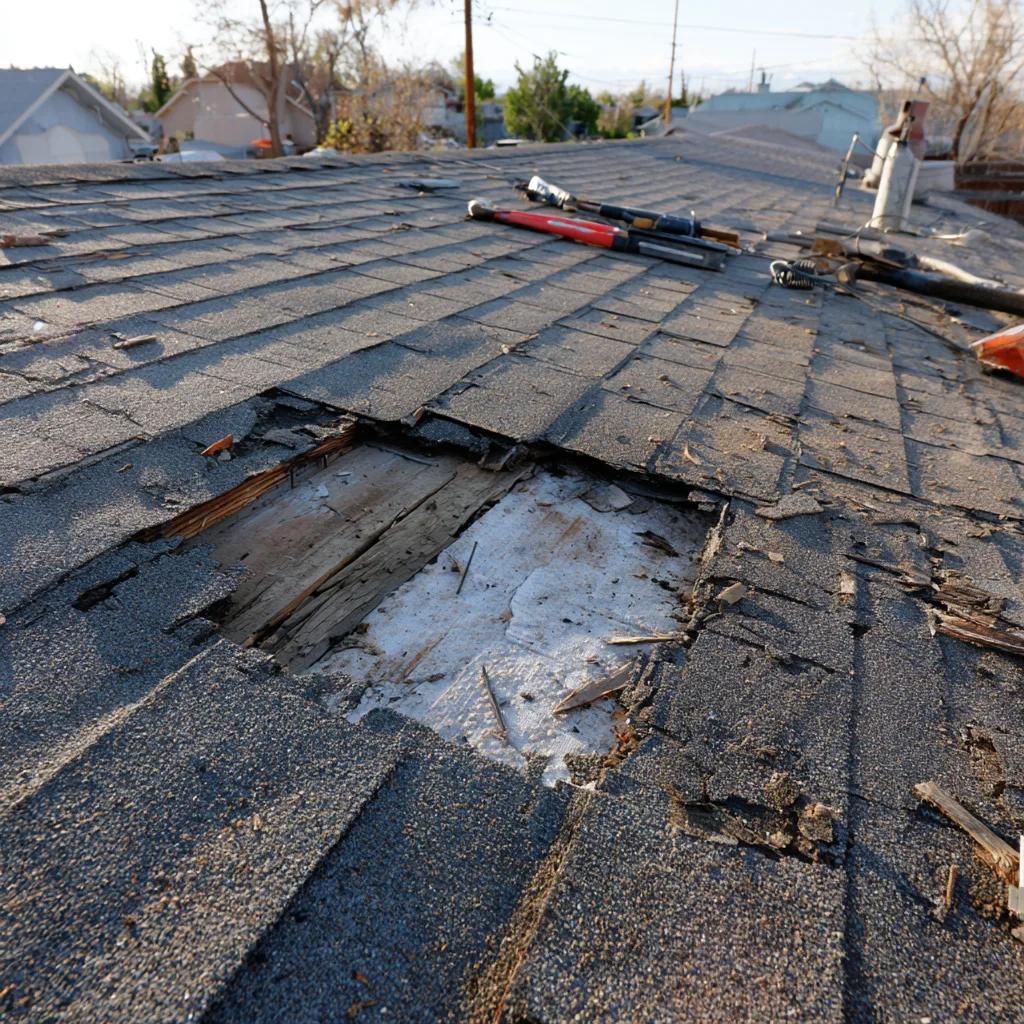
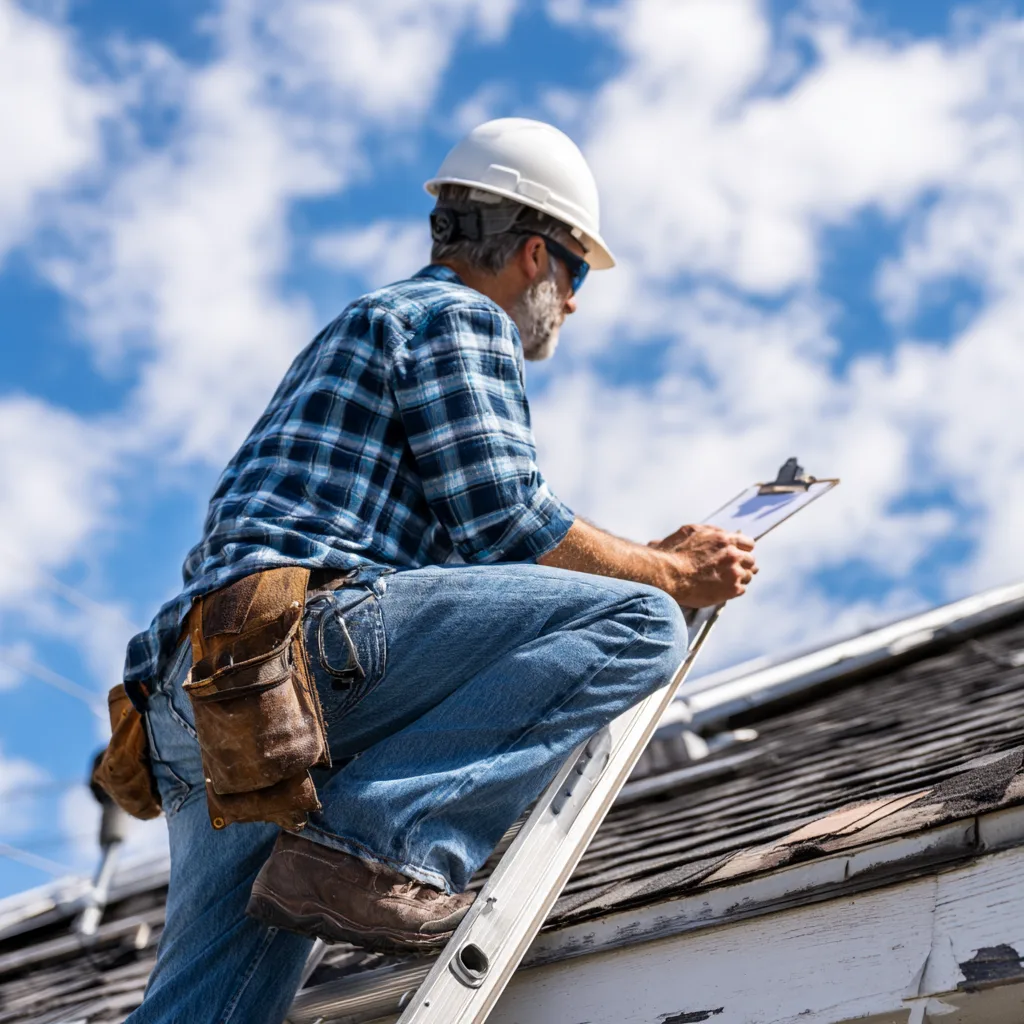
A free roof walk to understand condition before choosing work.
Explore roof inspections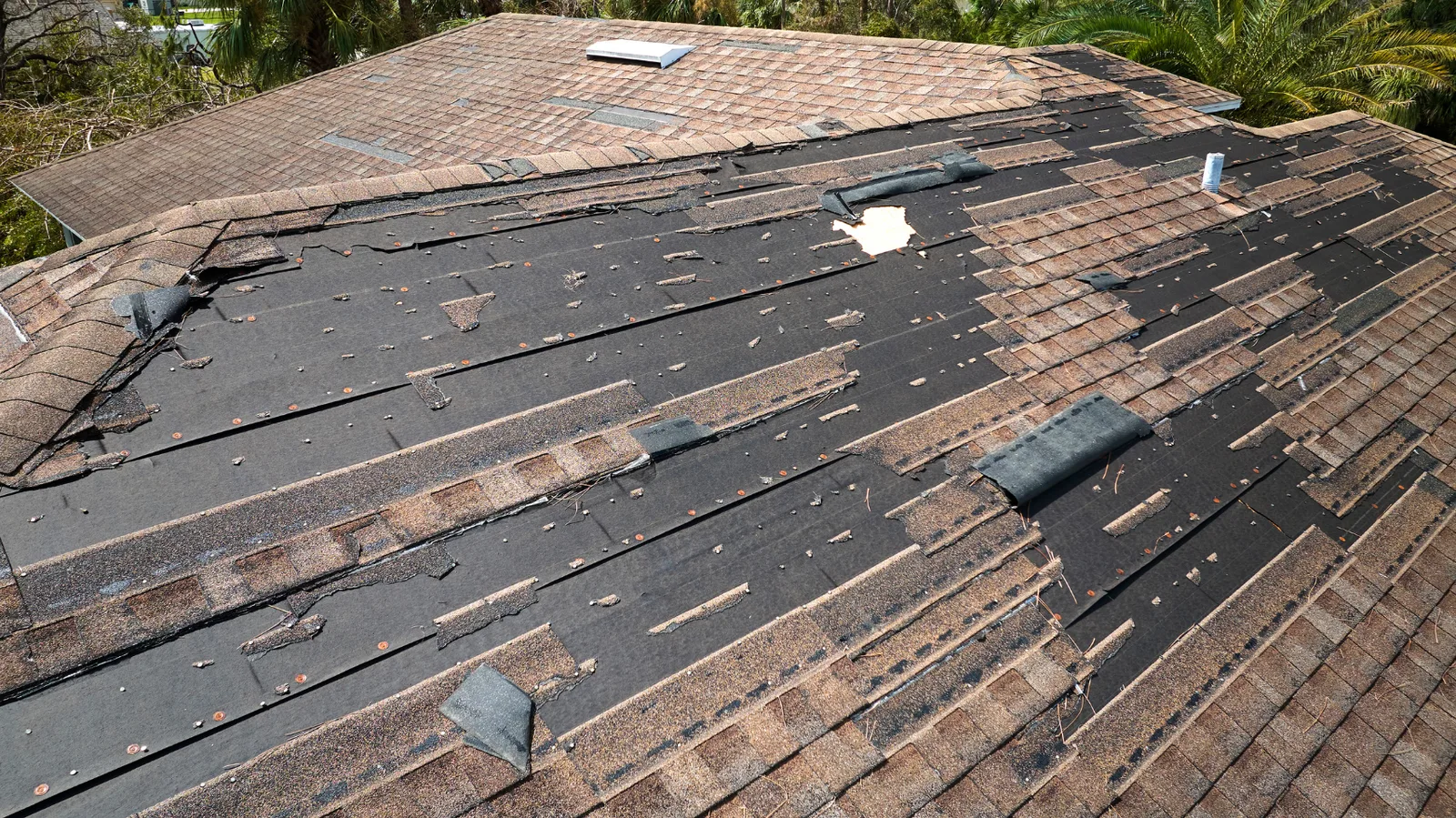
Wind and hail concerns, damaged roofing and the next repair decision.
Explore storm damage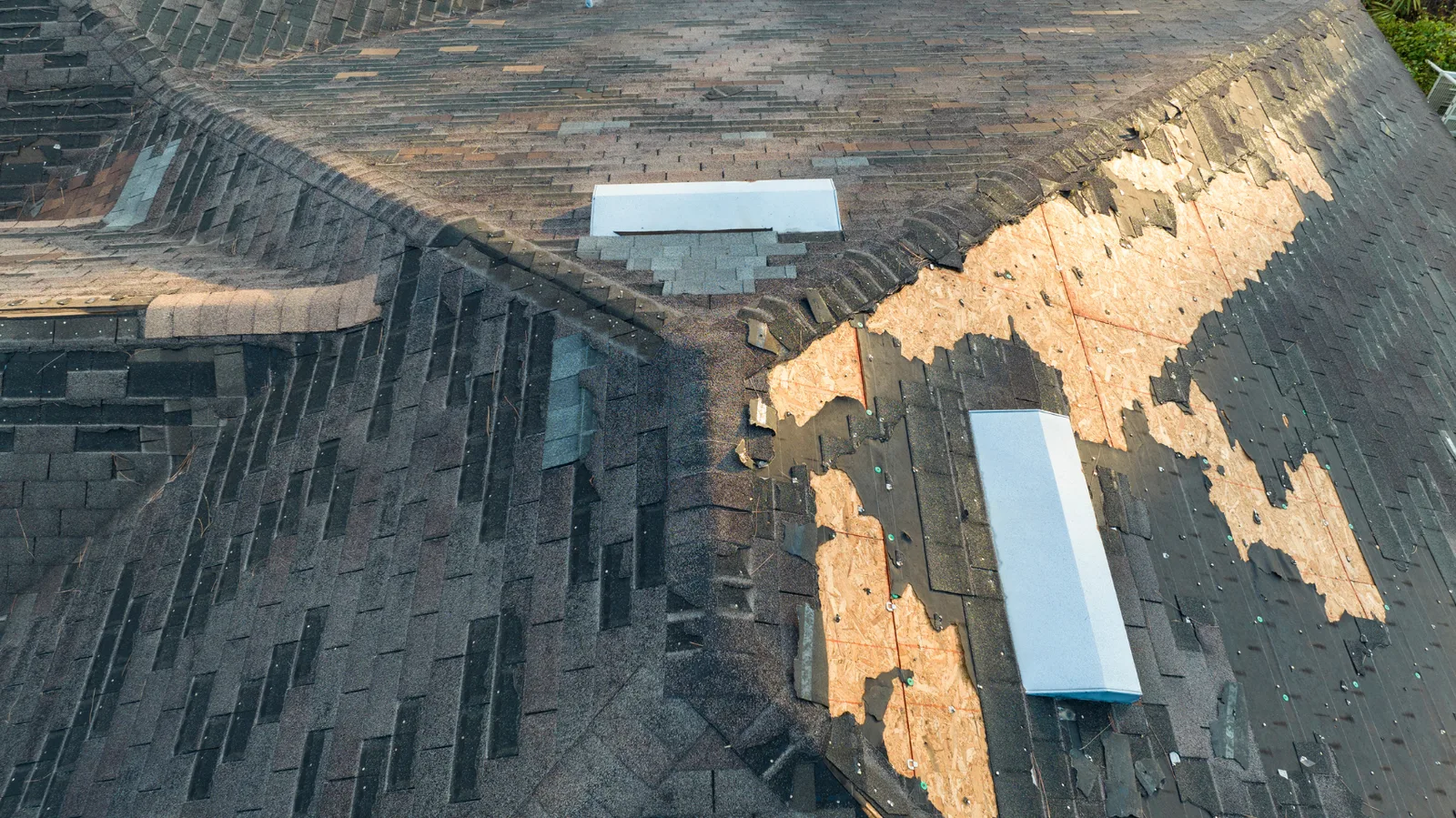
Active water entry, safe temporary protection and permanent repairs.
Explore urgent leak help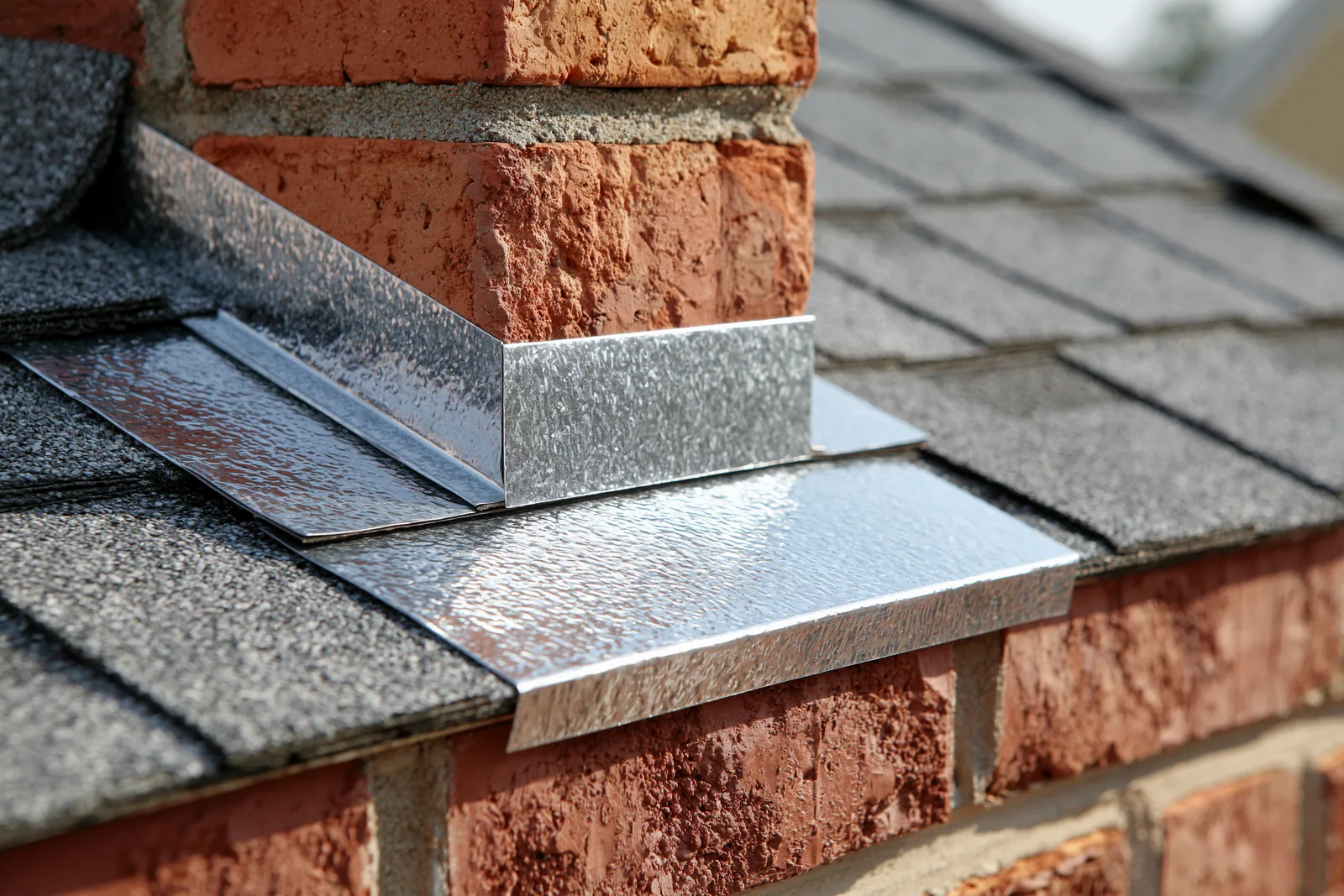
Roof joints at chimneys, walls and vents that need dependable water-shedding connections.
Explore flashing repair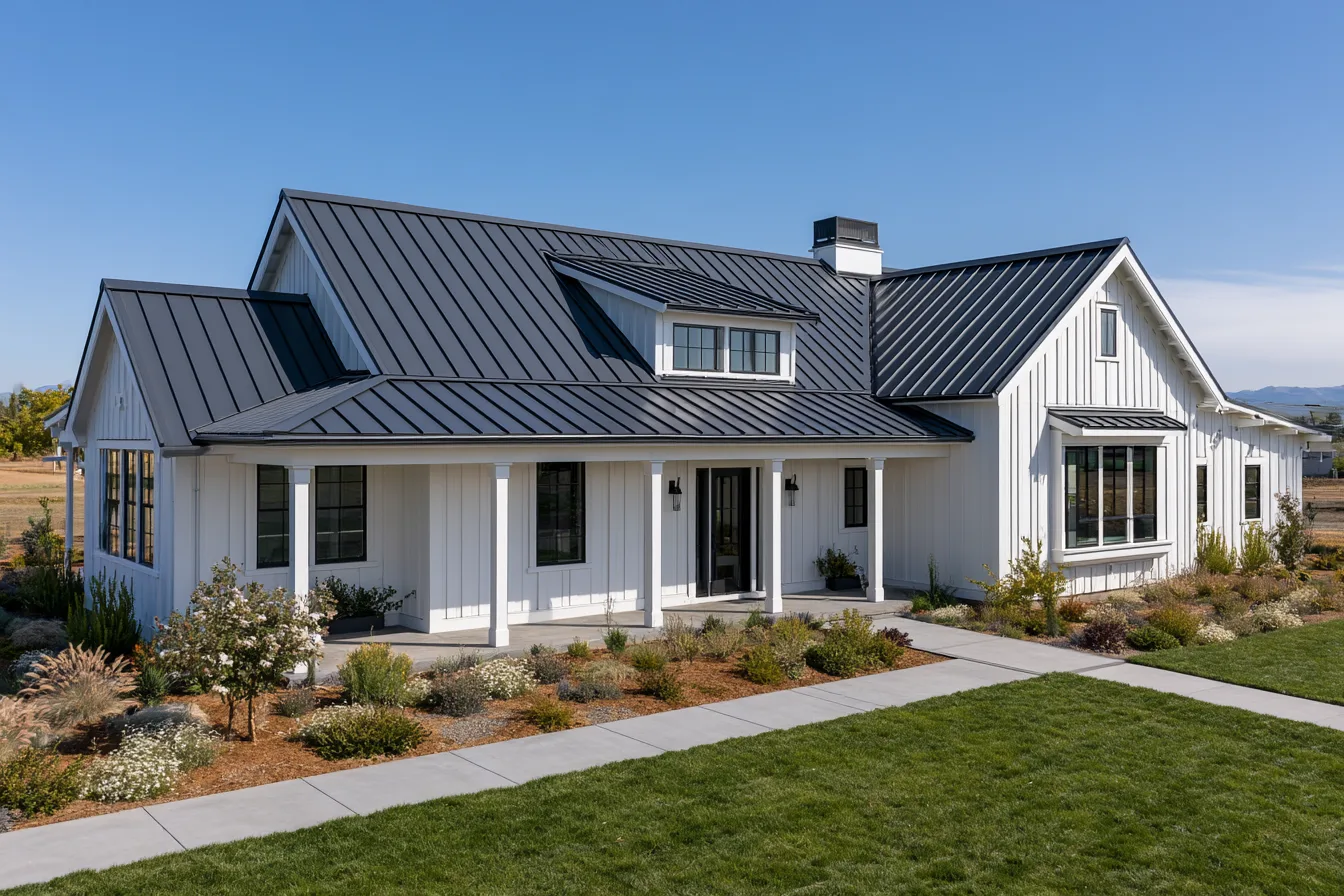
A building owner needs the roof system and the use of the space considered together. Start at the commercial hub or go directly to the type of work.
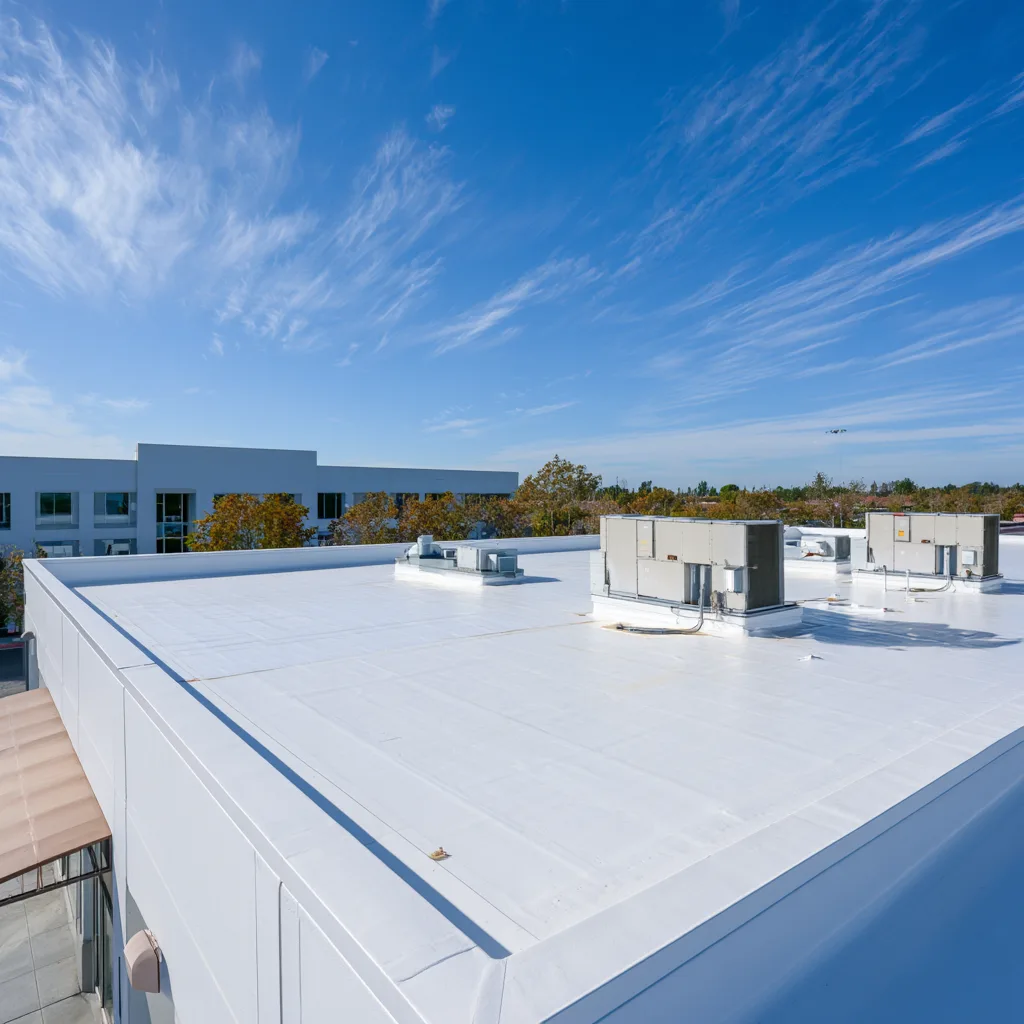
Start with the building’s use, roof condition and the work that fits both.
Explore commercial roofing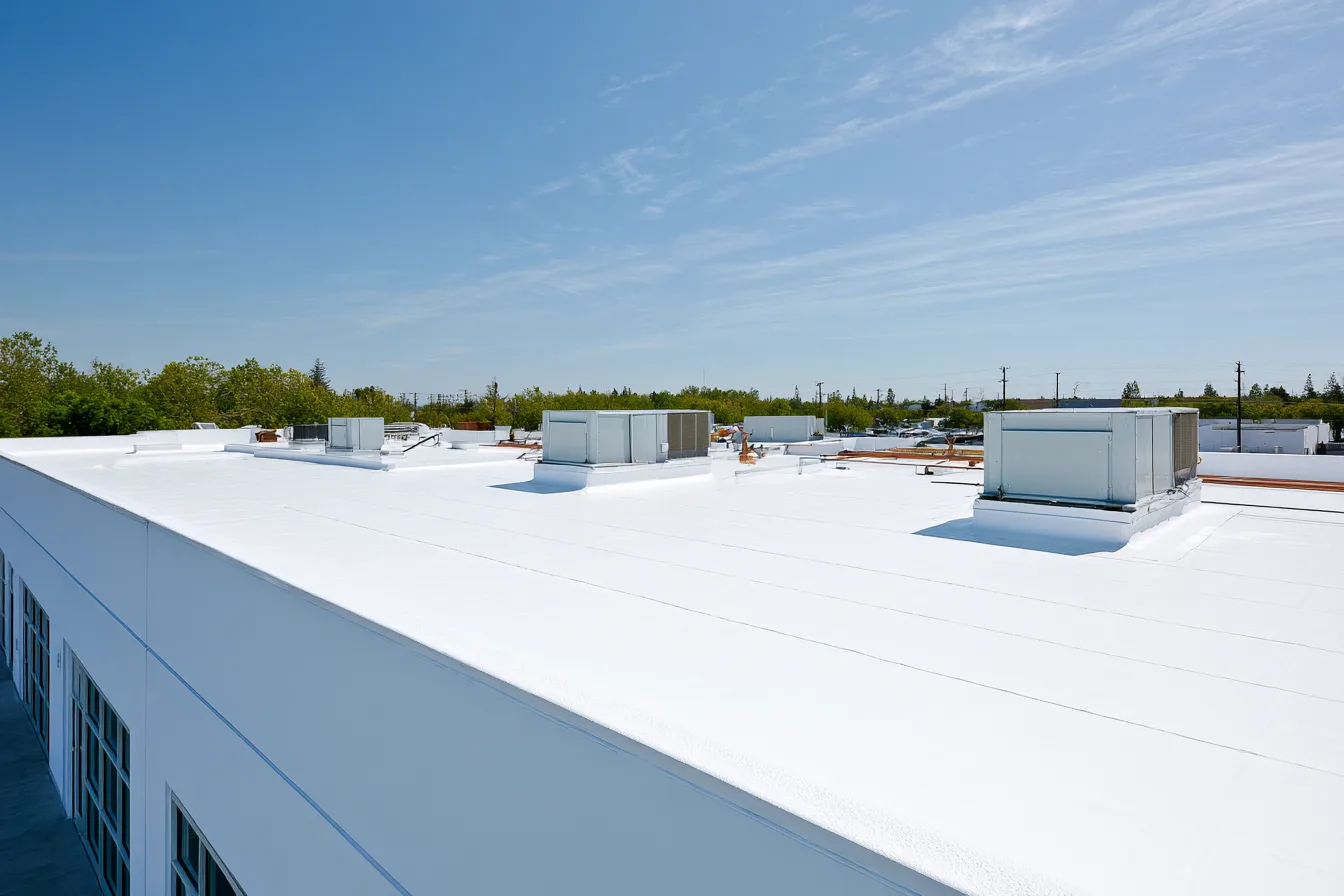
Heat-welded membrane systems and the insulation, edges and details beneath them.
Explore TPO roofing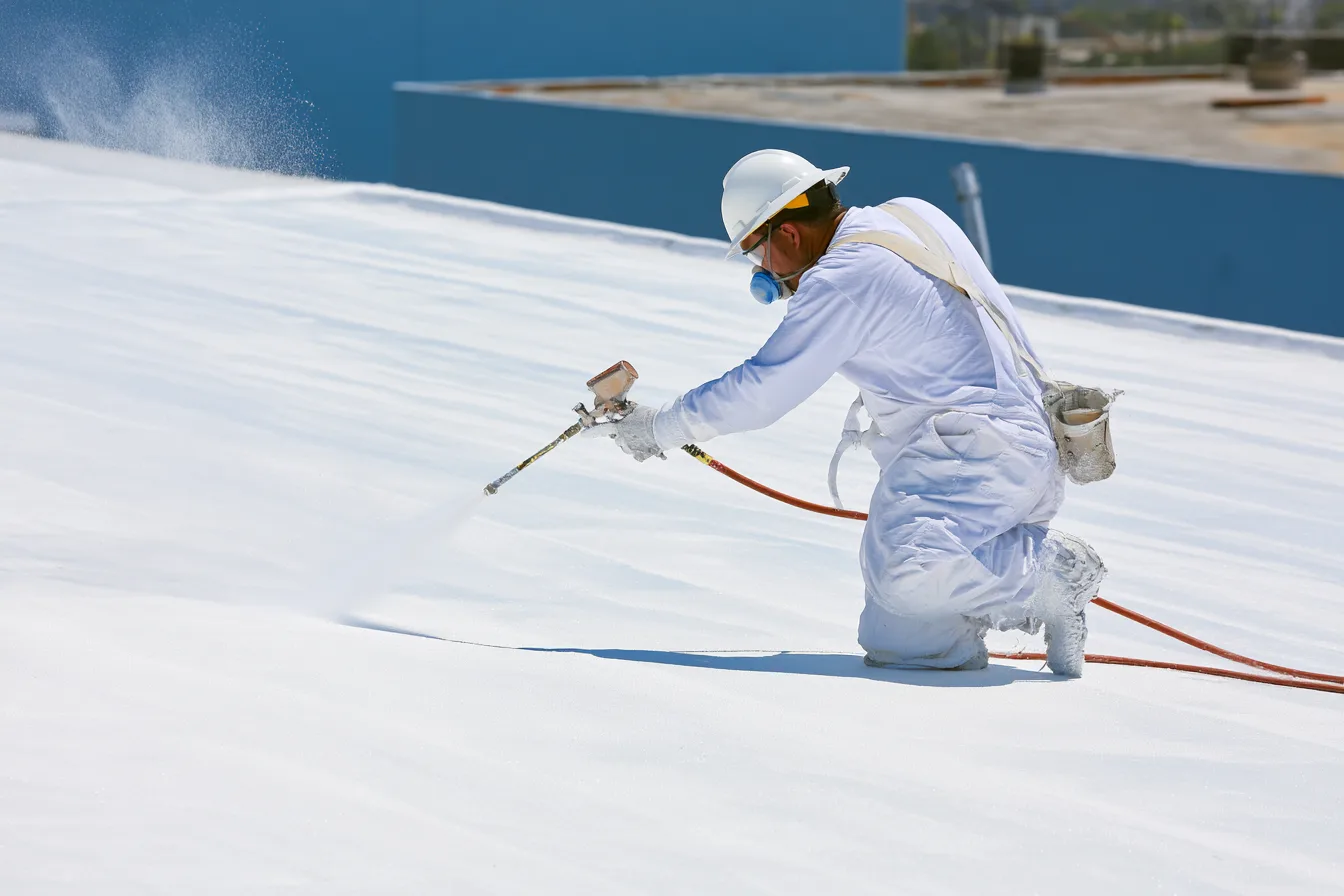
Restoration for suitable dry, secure roofing after the necessary preparation and repairs.
Explore roof coatings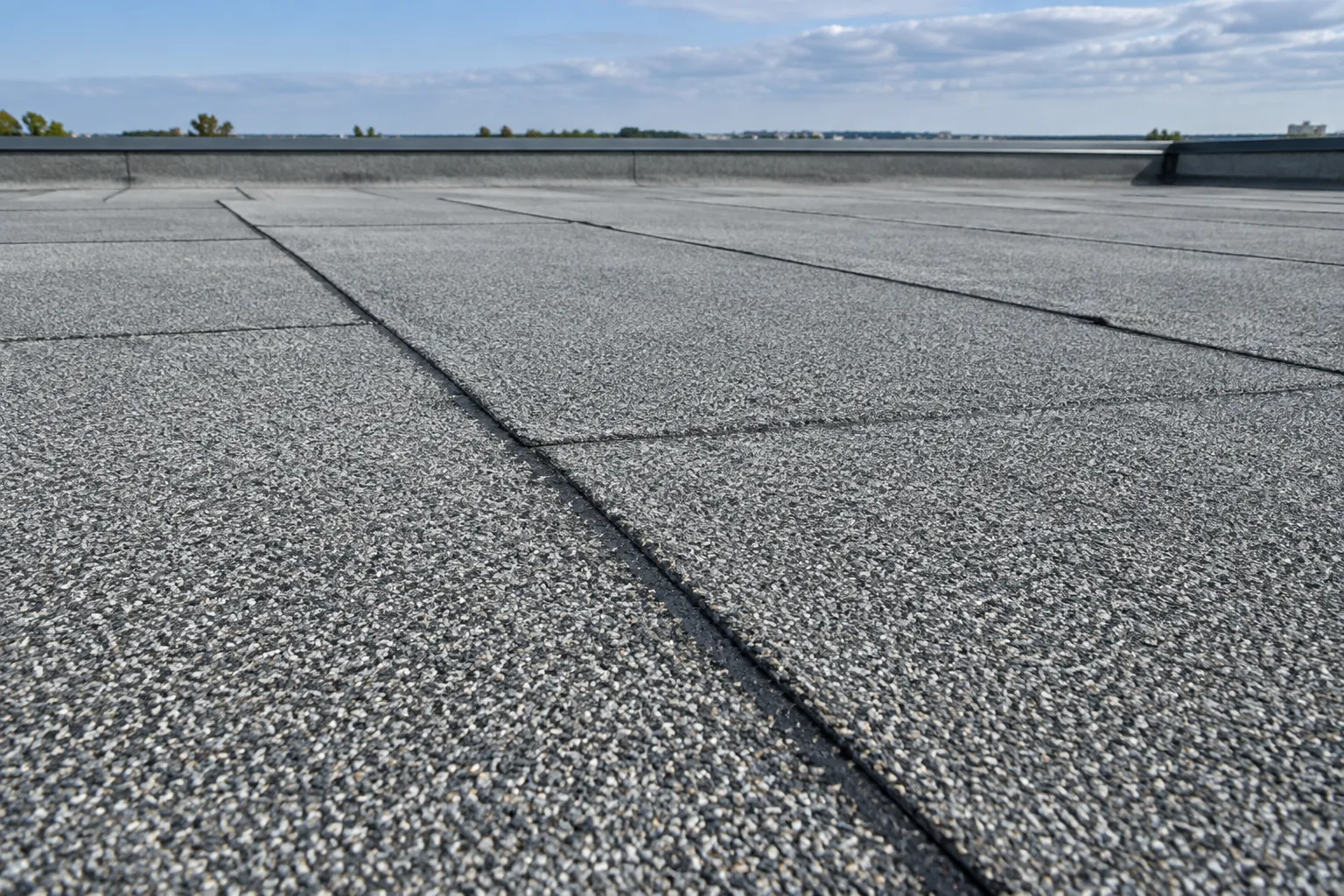
Trace entry at seams, curbs, drains and openings, then restore compatible roof details.
Explore flat-roof repair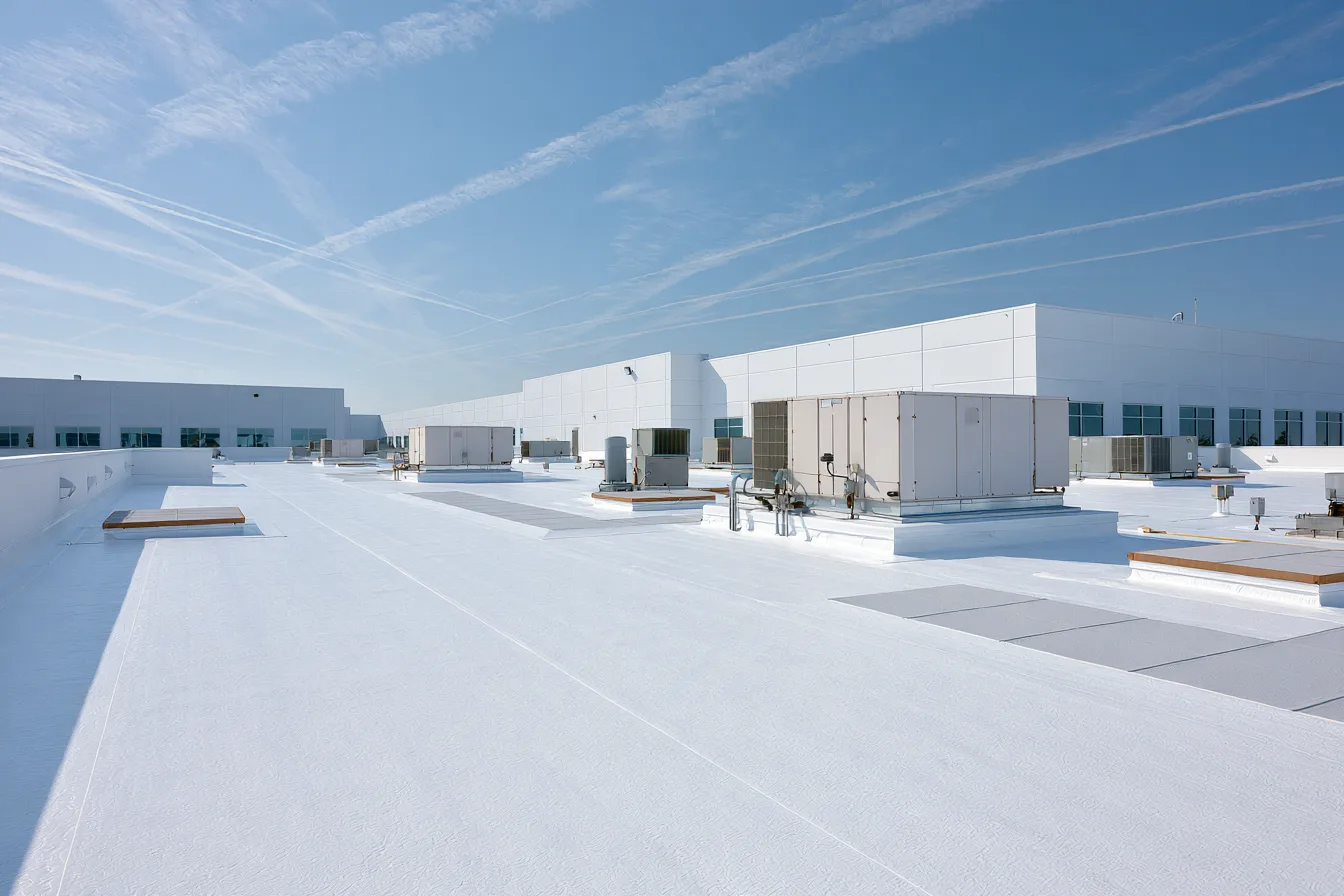
Renew failed roofing and address the deck, insulation and drainage in the scope.
Explore commercial replacementA leak is a reason to have the roof examined, not a diagnosis that chooses the service for you. Water reaching a room can begin at shingles, a vent, a wall connection or an opening farther up the roof. Missing shingles after wind create a different starting point from a roof that has needed repairs in several places.
If you’re planning ahead, an inspection can also help separate material choices from work the roof actually needs. Replacement brings the covering and its supporting details into one scope. A sound roof with a local defect calls for a more limited conversation. You don’t have to choose between them before contacting us.
Call and say the leak is active. Stay away from sagging ceilings and wet electrical fittings.
Mention the loose shingles, exposed area or change after a storm that you already noticed.
Tell us whether you’re weighing repeated repairs, a new material or a larger property project.
The right scope does more than attach a service name to the problem. It explains what will be opened, repaired or replaced and how the roof will shed water afterward.
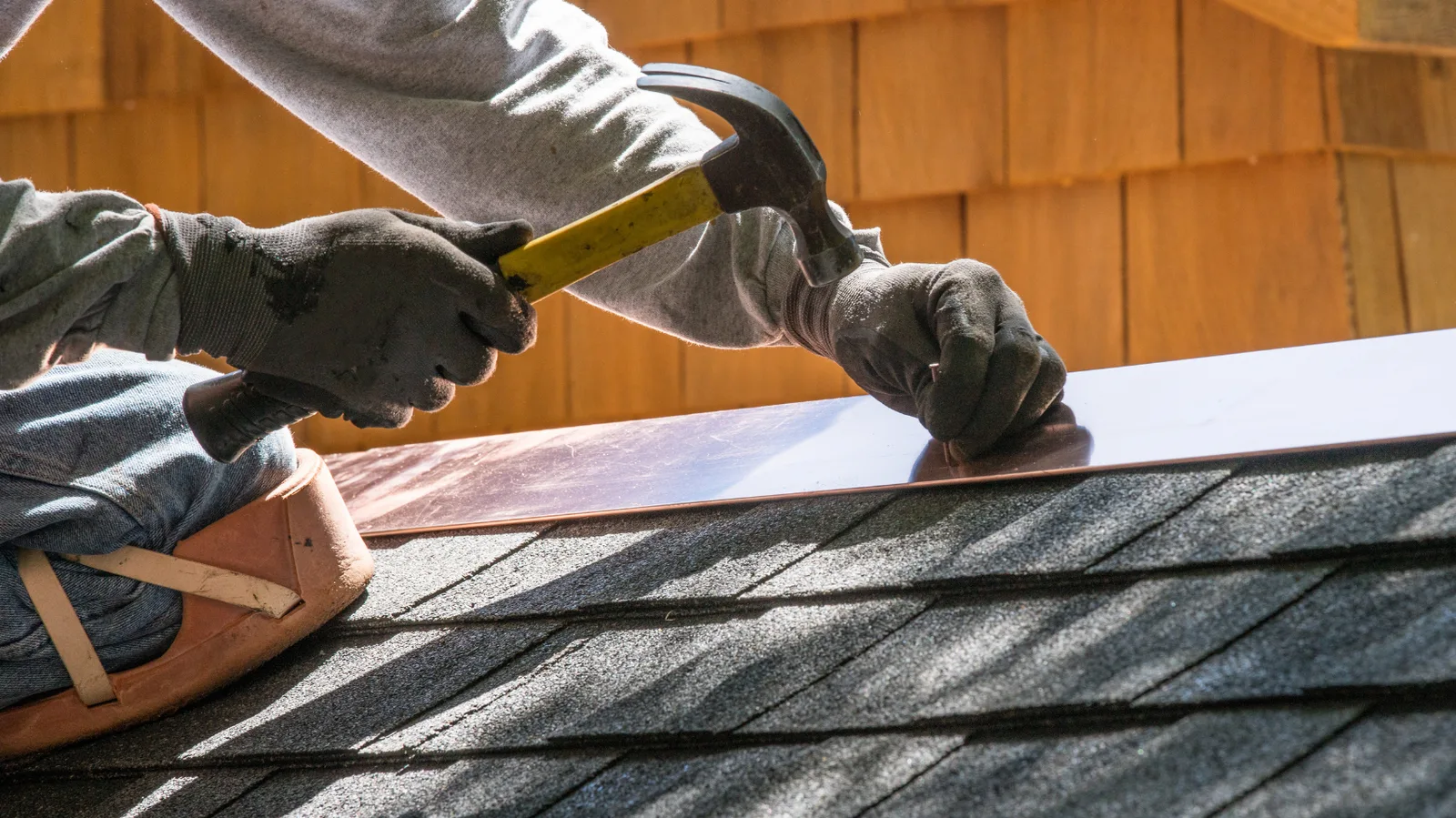
A local repair replaces or rebuilds the failed roofing detail and joins it to sound material. That can mean lifting adjoining shingles to renew a pipe boot or wall flashing, rather than spreading sealant over the outside. The surrounding shingles, underlayment and wood determine how far the work extends. A color difference can remain even when the connection is sound.
Read about roof repairs
A replacement removes worn covering so the deck can be assessed and the new layers installed over a suitable base. Edges, valleys, penetrations and ventilation belong in the plan along with the shingles or panels. Damaged decking and difficult roof geometry change both scope and cost. The inspection explains why a complete covering is useful when another local repair is not.
Read about roof replacement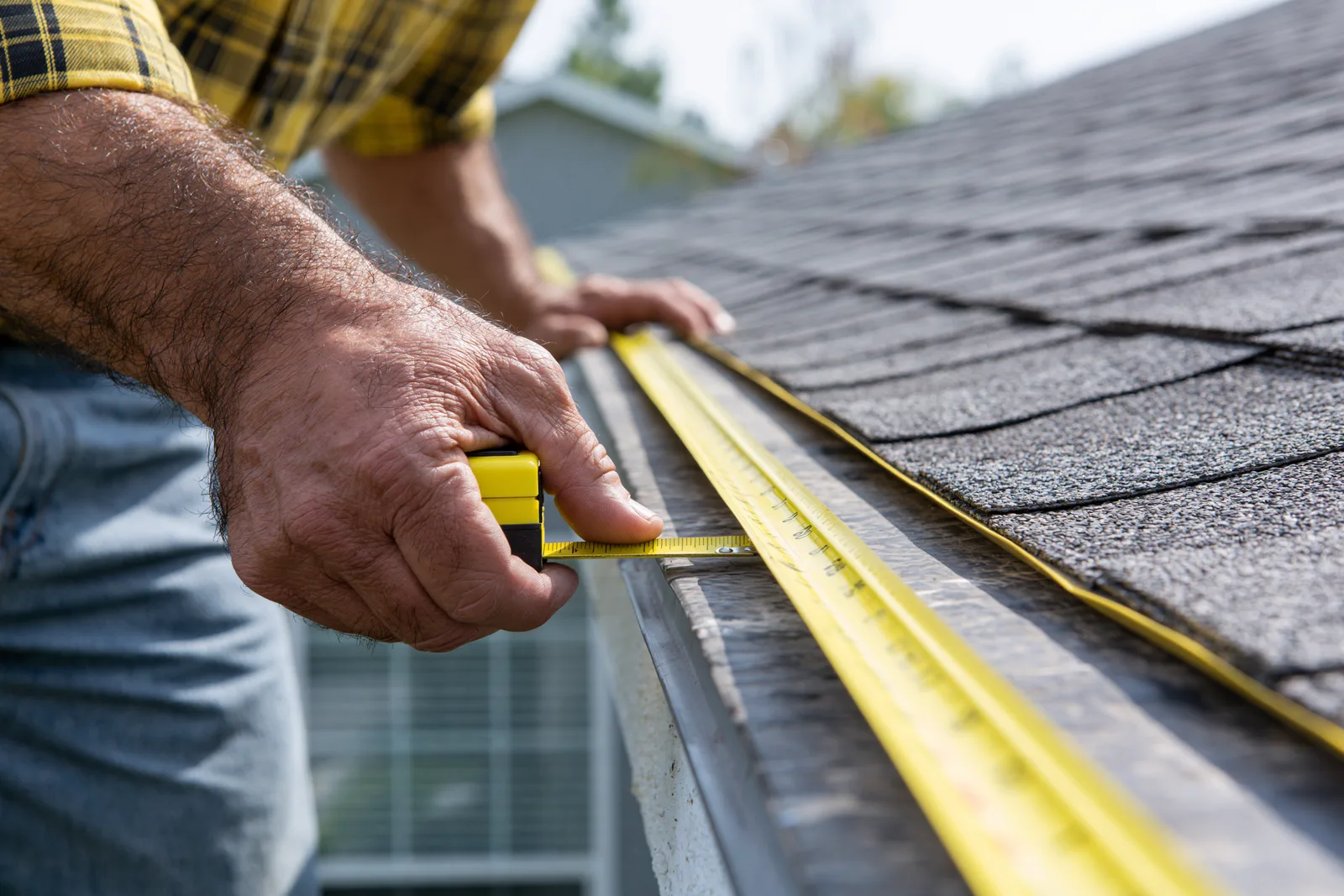
The roof walk looks at the concern and the condition around it. It helps distinguish work that needs attention from roofing that is still doing its job. Roof access depends on safe conditions; a storm report or a view from the driveway does not establish the condition of every slope. The useful outcome is a clearer decision about your roof, without needing to diagnose it yourself.
Read about roof inspectionsA commercial roof can have a serviceable membrane above insulation that has become wet, or an isolated opening in a roof that otherwise remains sound. Those conditions lead to different work. The visible surface alone cannot settle the choice.
Compatible repairs can restore a puncture, seam or flashing when the adjoining assembly remains suitable. Flat-roof repair follows the water path and checks how much of the underlying roof is affected.
A coating system requires preparation, sound attachment and compatible materials. Roof coatings include detail repairs; they cannot dry wet insulation or correct structural movement underneath.
Wider damage, failing attachment or deteriorated layers can make renewal the useful choice. Commercial replacement also gives drainage and insulation changes a place in the project scope.
A useful roofing conversation moves from the concern to the physical work.
Give the address and what you’ve noticed. Mention active water and any access or building-use restrictions you already know.
A free roof walk examines the roofing concern and the condition around it when access is safe.
We explain what a repair would reconnect, what wider work would address and which material choices change the proposal.
The agreed scope addresses affected roofing, access, protection and the handling of hidden damage. Timing follows the job and weather conditions.
Yes. A local defect can be repaired when the replacement material fits and the adjoining shingles, deck and flashing can support the connection. If deterioration extends beyond that area, the scope needs to account for it.
That’s fine. Choose the closest option and describe the concern in your own words. An inspection helps establish the useful service.
No. Water can enter through siding, masonry, plumbing or a roof opening, and an overflowing gutter creates a different problem from a failed shingle. We examine the roofing connection and explain where another trade’s work is involved. Interior ceiling repairs are separate from stopping the entry.
You can start with the room that leaks, the shingles you found or the project you’re considering. We’ll help identify the roofing work behind it.